
Drug Addiction (Substance Use Disorder): What It Is and How It Affects You

Drug addiction — clinically called Substance Use Disorder (SUD) — is a condition where a person repeatedly uses substances (legal or illegal) in a way that harms their health, relationships, work, and daily functioning. These substances include drugs such as alcohol, tobacco/nicotine, cannabis (bhang/ganja), opioids (like afeem or heroin), stimulants (e.g., cocaine), hallucinogens (e.g., LSD), and even prescription medications taken in ways other than prescribed.

Addiction is not a sign of weakness; it’s a complex condition with biological, psychological, and social roots — and it’s treatable with the right help and support.

Signs & Symptoms of Substance Use Disorder

A persistent urge to use the substance, often taking over thoughts and emotions.

Attempts to cut down or stop use may fail, with many repeated efforts and relapses.

Continued substance use despite negative effects on work, school, social life, or family relationships.

Needing increasingly larger amounts of the substance over time to achieve the same effect.

Physical and emotional effects (such as anxiety, irritability, nausea, tremors, sweating, insomnia, or in severe cases confusion and seizures) that occur when use is reduced or stopped.

Why Addiction Happens

Drug addiction arises from a combination of factors:

  • Brain Changes: Continued substance use alters brain circuits related to reward, motivation, and self-control — making it harder to quit despite negative consequences.

  • Genetic Vulnerability: Family history can increase the risk of developing addiction.

  • Stress & Life Experiences: Trauma, chronic stress, social pressures, or life transitions can play a role.

  • Mental Health Conditions: Anxiety, depression, or other underlying issues can increase vulnerability.

Addiction is more than a habit; it affects the brain and behaviour in measurable ways.

How Addiction Is Treated

  • Medical Assessment: A psychiatrist or addiction specialist evaluates the severity of substance use and potential health effects.

  • Detox & Withdrawal Management: In some cases, supervised medical detox helps manage withdrawal safely.

  • Medication: Certain medications can support cravings, reduce withdrawal effects, or treat co-occurring mental health conditions.

  • Cognitive-Behavioral Therapy (CBT): Helps change patterns of thinking and behaviour linked to substance use.

  • Motivational Interviewing: Builds motivation and commitment to change.

  • Family-Focused Therapy: Strengthens support systems and communication.

  • Support Groups: Peer support (e.g., 12-step groups or recovery communities) helps sustain long-term recovery.

  • Establishing structure in daily life

  • Healthy nutrition and regular exercise

  • Stress-management practices such as mindfulness, yoga, or relaxation techniques

Self-Care & Everyday Strategies

While clinical support is crucial, you can also:

  • Seek social support from trusted friends or family.

  • Set clear goals for your recovery journey.

  • Avoid situations or people linked to substance use.

  • Focus on physical self-care (sleep, exercise, balanced meals).

  • Explore hobbies or meaningful activities that bring joy and purpose.

Remember: addiction is not about lack of willpower — it’s a medical condition that needs tailored treatment and understanding.
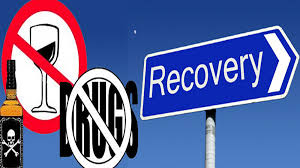
When to Seek Help

Consider reaching out to a psychiatrist, addiction specialist, or licensed mental health professional if:

  • You find it difficult to reduce or stop substance use

  • Your use interferes with work, relationships, or health

  • You’re experiencing withdrawal symptoms

  • You feel overwhelmed, unsafe, or unsure how to begin recovery

You deserve support — and you don’t have to do it alone.